The importance of Cultural Heritage Screening Report
A preliminary evaluation carried out to find possible cultural heritage materials in a specific location is called a cultural heritage screening report. It describes the existence or nonexistence of important historical locations, artefacts, and landscapes that could need more research or defence. Usually, these studies are carried out in conjunction with land development initiatives to evaluate possible effects on cultural heritage assets. Developers and planners can make well-informed judgements to prevent or reduce negative effects on cultural heritage while guaranteeing regulatory compliance by conducting screenings for cultural heritage materials early in the planning process. Report screening is essential for striking a balance between development objectives and cultural conservation initiatives.
The multidisciplinary discipline of cultural resource management is devoted to the identification, evaluation, conservation, and interpretation of resources related to cultural heritage. Archaeological sites, historic structures, artefacts, cultural landscapes, and traditional knowledge are some examples of these resources. CRM specialists discover and record cultural sites by surveying, excavating, and archival research in an effort to preserve these resources. In order to balance the requirements of development projects and regulatory compliance, they also create management plans and strategies to guarantee the protection and preservation of cultural heritage. CRM is essential for advancing public education, heritage tourism, and cultural stewardship—all of which contribute to a greater awareness and respect of our common cultural heritage.
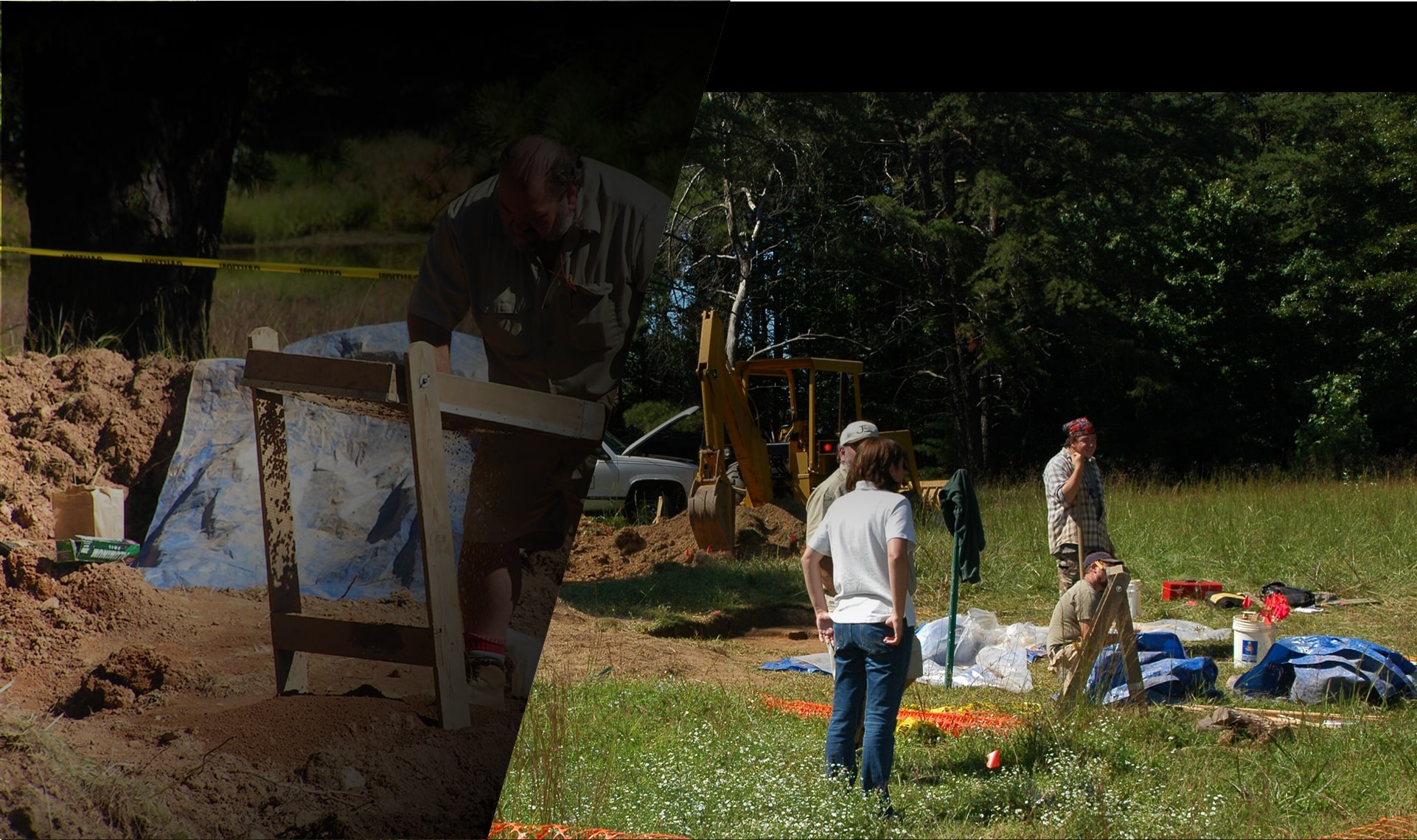
A specialist area of archaeology called cultural resource management archaeology is concerned with managing and preserving cultural heritage resources in the framework of development initiatives and land-use planning. CRM archaeologists investigate, assess, and safeguard archaeological sites, artefacts, and cultural landscapes that are in danger from development or other human endeavours. To record cultural resources and create conservation plans for them, they carry out studies, surveys, and excavations. CRM Archaeology strives to reduce the negative effects of development on cultural heritage while encouraging the prudent management of archaeological resources for future generations. It does this by fusing archaeological expertise with regulatory compliance and community engagement.
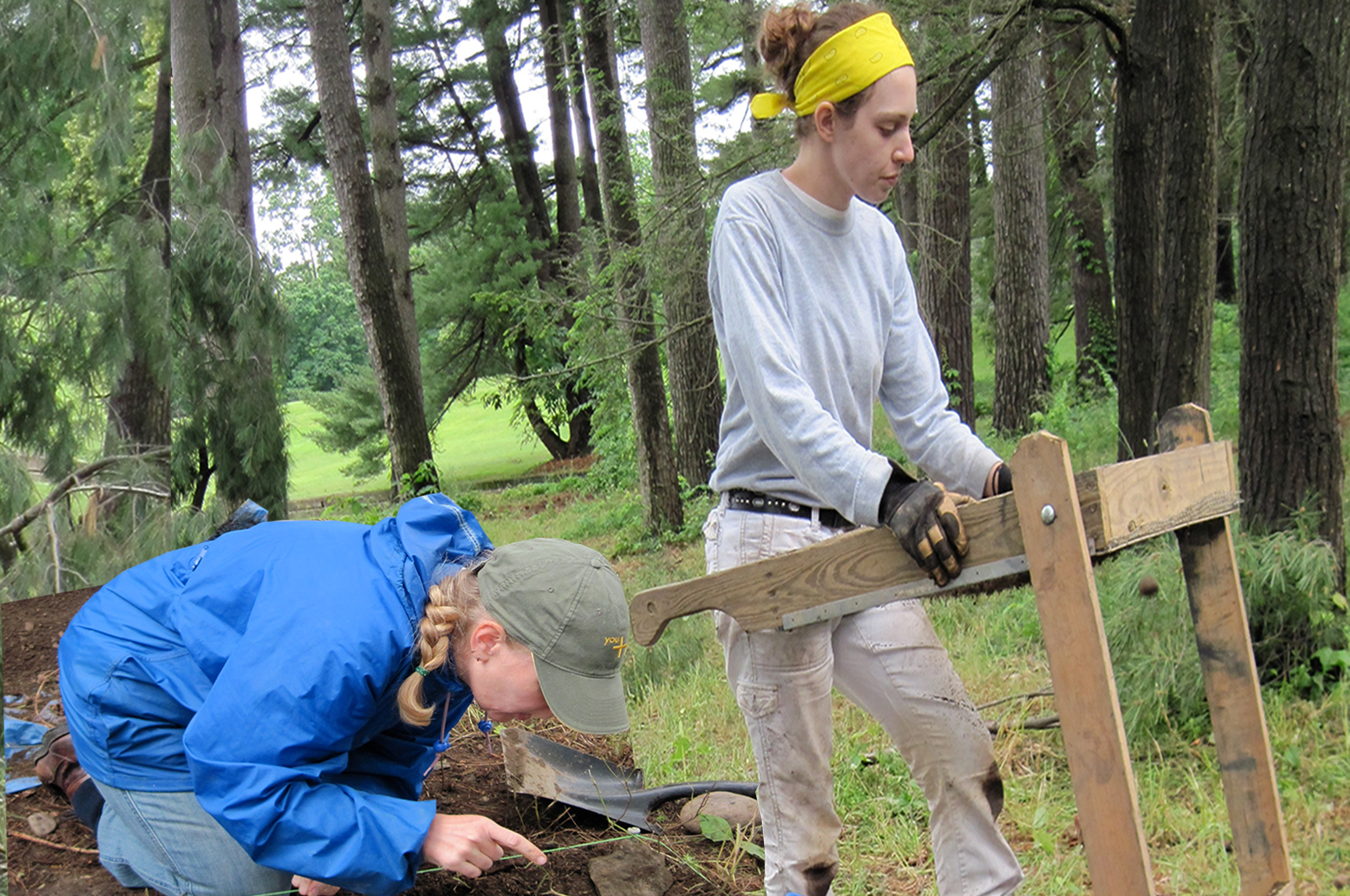
Evaluating the importance and worth of cultural materials in a particular location is known as heritage assessment. In order to comprehend the cultural, historical, and social significance of historical locations, artefacts, and cultural landscapes, this procedure usually entails their identification and documentation. Heritage preservation initiatives, development plans, and land-use decisions are all influenced by the results of heritage assessments. Stakeholders can make well-informed decisions that strike a balance between the demands of development and the protection of cultural heritage by evaluating and recording heritage resources. Heritage evaluations play a crucial role in preserving priceless cultural assets for the enjoyment and appreciation of future generations.
Professional archaeologists are essential to both regulatory compliance and the preservation of Ontario's cultural heritage. These professionals specialise in the identification and documentation of cultural resources through archaeological surveys, excavations, and assessments. They work together with Indigenous communities, government agencies, and developers to guarantee that archaeological sites are properly managed and protected throughout land development projects. In Ontario, licenced archaeologists follow provincial laws pertaining to the preservation of cultural heritage while also adhering to high ethical and professional standards. Their knowledge helps ensure that future generations will be able to appreciate and preserve Ontario Professional Archaeologist.


Comments
Post a Comment